Event Branding Essentials: How to Create a Memorable Identity

June 12, 2024 0 Comments

Event branding is the process of using unique design elements and a thematic approach to create a distinctive image for a specific event. This strategy plays a crucial role in elevating events from mere gatherings to memorable experiences that engage attendees and leave a lasting impression. By integrating the event’s purpose, values, and objectives into its branding, organisers not only enhance the event’s aesthetic appeal but also ensure coherent messaging throughout.
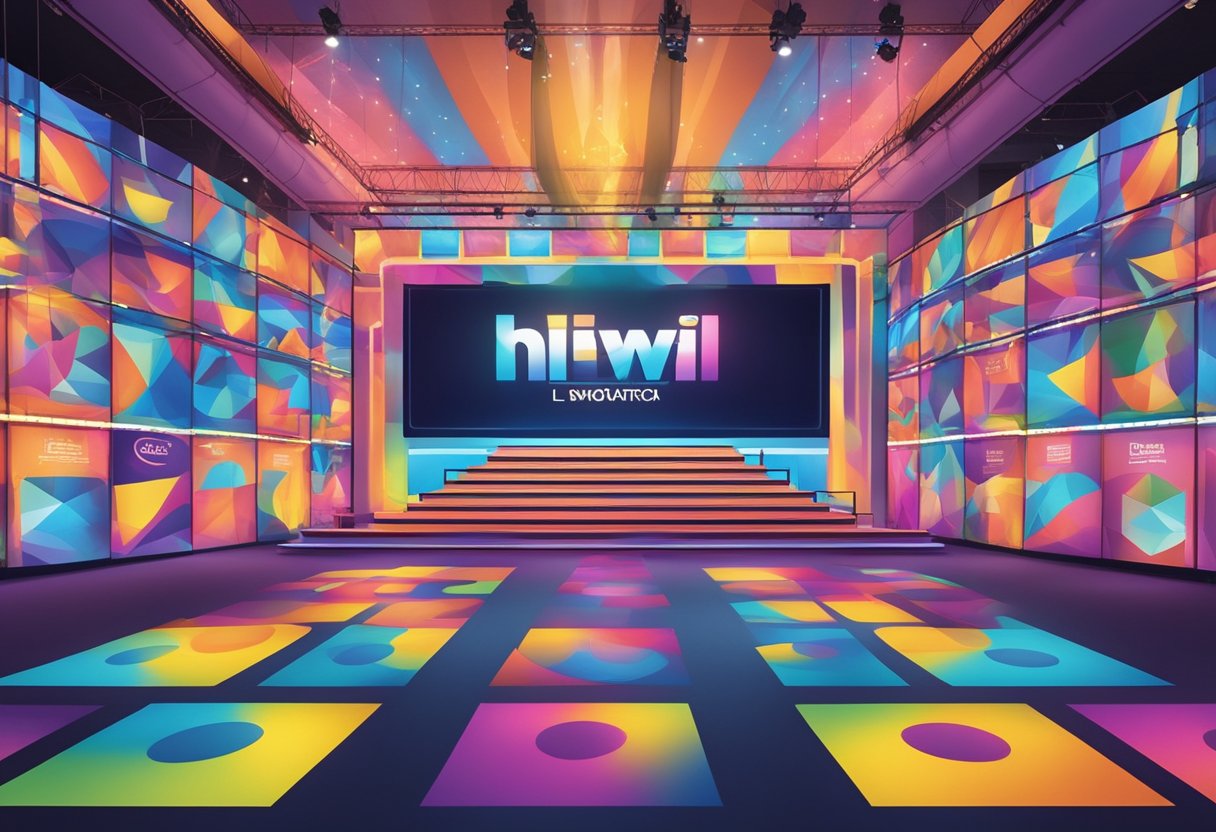
A colorful logo projected onto a large screen, surrounded by banners and signage with the event's name and theme

Creating brand awareness is central to the success of an event. Through consistent application of the event’s branding across various platforms and materials such as invitations, digital media, and on-site decorations, an event can establish a strong identity and resonate with its target audience. This consistent imagery helps in generating buzz pre-event and sustains momentum post-event, often contributing to the overall attendance and engagement rates.

A successful event leverages its branding to create an immersive environment that aligns with its overarching narrative. This alignment serves to amplify the event’s message and can ostensibly affect the attendee’s perception and interactions within the event space. It directly contributes to participants’ experience, ensuring they associate the event’s theme with the brand long after the event has concluded. Effective event branding has become an essential component of event marketing strategies, as it significantly increases the potential for future engagement and loyalty.

Developing a Strong Event Brand

A crowd gathers around a bold event logo displayed on a large banner, with vibrant colors and modern typography. The atmosphere is energetic and engaging, with people interacting and taking photos

The creation of a robust event brand requires strategic development centred on the target audience, original visual identity design, and effective promotional endeavours. These key elements ensure the establishment of an enduring brand image that resonates with attendees and sponsors alike, fostering recognition and increasing the likelihood of event success.

Identifying Target Audience and Messaging

A precise understanding of the target audience is fundamental to developing messaging that resonates and creates engagement. Conducting market research allows for the identification of the audience’s preferences and pain points.

  • Audience Analysis:
    • Demographics: Age, occupation, Income level.
    • Psychographics: Interests, values, lifestyle.

Developing a compelling message is about creating trust and loyalty, aligning closely with the brand promise. Each communication should reinforce the event’s key value proposition and differentiate it from competitors.

Designing a Memorable Visual Identity

Creating a visual identity that is recognisable and distinctive is integral to event branding. Key design elements include:

  • Logo and Typography: The event logo should be unique and embody the event’s ethos, while font choices need to be readable and consistent with the overall design.
  • Colour Scheme and Imagery: A cohesive colour palette and relevant imagery contribute to visual fluency, making materials like banners and signage instantly identifiable.

An innovative stage design can leave a lasting impact, and details such as lighting and swag contribute to the overall memorable experience, providing onsite branding that captivates.

Effective Marketing and Promotional Strategies

Marketing that amplifies brand awareness is crucial for drawing interest and generating revenue. A multi-channel approach ensures a broad yet targeted reach. Consider:

  • Social Media and Website Presence: Instagram campaigns, event hashtags, and a user-friendly website can dramatically increase engagement.
  • Email and Partnerships: Tailored email campaigns and collaborations with sponsors or partners amplify reach and lend credibility.

Effective event branding is about creating a seamless brand experience that persists beyond the event itself, turning attendees into brand ambassadors.

Maximising Attendee Engagement and Experience

A vibrant event logo displayed on a large screen, surrounded by interactive digital displays and colorful branding materials

Maximising attendee engagement and experience is pivotal in creating a successful event brand. By integrating digital and physical branding elements, event organisers can enhance brand awareness and loyalty, foster emotional connections, and generate valuable leads.

Integrating Online and Onsite Platforms

To create a cohesive brand experience, synchronise the use of online platforms with onsite branding. Utilise event websites and custom apps to mirror the visual elements found at the venue. Employ hashtags consistently across social media and physical spaces, allowing attendees to easily connect with the brand and each other. For instance, Salesforce’s Dreamforce conference exemplifies this by harmonising online content with venue decor, from lighting to stage backdrops.

Key Online and Onsite Platforms:

  • Event website
  • Custom apps
  • Social media: Instagram, Twitter
  • Onsite: Signage, stage design

Utilising Event Space for Branding Opportunities

Seize every opportunity within the event space to reinforce the brand message. Decorate venues with banners, tablecloths, and napkins that feature the brand’s logo or tagline. Incorporate unique staging and lighting to create memorable and shareable moments. Offer swag bags that include branded shirts to prolong the brand’s presence beyond the event.

Branding Opportunities Checklist:

  • Venue decor
  • Stage backdrop
  • Lighting design
  • Branded swag

Creating Connections and Lasting Impressions

Attendee engagement is amplified through emotional connection and unique branding experiences. Design spaces within the event to encourage networking while surrounded by impactful brand imagery and messages. This ensures that each interaction—whether direct with the brand or between attendees—resonates with the event’s core values, leading to a memorable experience.


https://eventbranding.co.za/


What Does a Hybrid Job Role Mean?

June 12, 2024 0 Comments

The modern workplace landscape has changed drastically in recent years, driven by technological advancements and changing worker expectations. Understanding the concept of a hybrid job role is crucial for both employees and employers.

Understanding a Hybrid Job Role

A hybrid job role refers to a job that combines responsibilities from both remote and in-office work. Workers in hybrid job roles split their time between working remotely and being on-site in the office. This model provides a mix of independence and in-person collaboration.

Advantages of Hybrid Job Roles

Hybrid job roles bring several advantages to both workers and companies.

Adaptability and Skill Growth:

Hybrid job roles allow workers to develop a wide range of skills by integrating various responsibilities and tasks. This versatility can lead to increased employability and career growth.

Enhanced Job Satisfaction and Engagement:

By providing a mix of remote and in-office work, hybrid job roles can boost job satisfaction and engagement. Employees can enjoy the benefits of both work environments.

better Alignment with Organizational Needs:

Hybrid job roles allow organizations to adapt to changing business needs by leveraging the flexibility and skills of their employees.

Challenges of Hybrid Job Roles

While hybrid job roles provide numerous benefits, they also present some challenges that need to be addressed.

Managing Workload and Expectations:

One of the primary challenges of hybrid job roles is managing workload and expectations. Workers must balance various responsibilities, which can be challenging.

Balancing Diverse Responsibilities:

Hybrid job roles often require employees to transition between different types of tasks and work environments. This requires effective time management and adaptability.

Professional Development and Training:

Organizations must provide ongoing training and development to ensure that workers in hybrid roles have the necessary skills and resources to succeed.

Instances of Hybrid Job Roles

Hybrid job roles can be found in various industries and sectors. Here are a few common examples.

Project Management Roles:

Project managers often need to manage teams both remotely and in-person, making their role inherently hybrid. They oversee communication, collaboration, and project execution across different work environments.

Sales Roles:

Sales representatives may divide their time between meeting clients in person and conducting remote sales activities. This enables them to leverage both digital tools and personal interactions.

Marketing Professionals:

Marketing professionals often work on campaigns that require both in-office brainstorming sessions and remote digital marketing efforts. Their role combines creative collaboration with independent execution.

Conclusion

Understanding what a hybrid job role means is essential for creating a work environment that fulfills the needs of employees and promotes organizational success. By assessing the pros and cons of hybrid job roles and considering the specific needs of your organization, you can create roles that enhance productivity and employee satisfaction.

As the workplace continues to evolve, adopting flexible work Models and hybrid job roles will be key in adapting to the changing demands of the workforce and ensuring long-term success.

The Future of SEO: How Link Automation Can Revolutionize Your Rankings

June 12, 2024 0 Comments

Imagine transforming your SEO efforts by automating the tedious process of link building. With advanced tools, you can streamline acquiring high-quality backlinks, enhancing your site’s authority and rankings. This approach not only saves valuable time but also ensures consistency and scalability. Plus, with real-time analytics, you can monitor performance and make data-driven decisions. Curious about how this automation could redefine your SEO strategy and lead to long-term success? Let’s explore how implementing these cutting-edge techniques can make a significant difference for your website.

As search engine algorithms evolve, the adoption of link automation tools is becoming increasingly essential for maintaining competitive rankings. You need to understand that search engines now evaluate the quality and quantity of your site’s backlinks more critically than ever. Automated link-building tools can help you systematically acquire high-quality links, ensuring your site meets these rigorous criteria. 

Data shows that websites using link automation experience up to a 30% increase in organic traffic within six months. These tools leverage algorithms to identify relevant, high-authority websites for backlink opportunities. By automating this process, you can save countless hours otherwise spent on manual outreach and research. 

Furthermore, link automation tools provide real-time analytics, allowing you to monitor the performance of your backlinks. This data-driven approach enables you to make informed decisions and refine your link-building strategy continually. For example, if certain links aren’t performing well, you can quickly identify and replace them, ensuring optimal results. 

Adopting link automation isn’t just about efficiency; it’s also about staying ahead in a fiercely competitive digital landscape. By integrating these tools into your SEO strategy, you position yourself to react swiftly to algorithm changes and maintain a robust Online presence. 

Leveraging automated backlinks offers a multitude of strategic advantages that can significantly enhance your site’s SEO performance. First and foremost, automation drastically improves efficiency. According to industry studies, manual link-building can consume up to 80% of your SEO efforts. Automation tools streamline this process, allowing you to focus on other crucial areas. 

Automated backlinks also provide greater scalability. By employing algorithms and AI, you can generate a higher volume of quality backlinks within a shorter time frame. This scalability is essential for maintaining competitive edge, especially when search engine algorithms favor sites with robust backlink profiles. 

Furthermore, automation can enhance the quality of your backlinks. Advanced tools analyze the relevance and authority of linking domains, ensuring your site gains links from high-quality sources. This not only boosts your search engine rankings but also establishes your site as a credible source of information. 

Another key benefit is consistency. Automated systems can maintain a steady flow of backlinks, which is crucial for sustaining long-term SEO success. Consistent link-building signals to search engines that your site remains relevant and authoritative over time. 

Implementing link automation strategies requires a data-driven approach to identify the most effective tools and techniques for your specific SEO needs. Start by conducting a comprehensive audit of your current backlink profile. Use analytical tools like Ahrefs or SEMrush to gather metrics on domain authority, anchor texts, and link sources. This data will help you understand where to focus your automation efforts. 

Next, identify high-performing competitors and analyze their backlink strategies. Tools such as Moz and Majestic can provide insights into their link-building tactics. Focus on replicating their successful strategies, but also look for unique opportunities they might’ve missed. 

When selecting automation tools, prioritize platforms that offer robust analytics and customization. Tools like Linkody and Pitchbox allow you to automate outreach while providing detailed performance metrics. Set up automated reports to track key performance indicators (KPIs) such as referral traffic, conversion rates, and link quality. To learn more, click here

By embracing link automation, you can strategically boost your SEO efforts, seeing measurable improvements in your site’s ranking and authority. You’ll save time, maintain consistency, and scale your backlink profile efficiently. 

With real-time analytics, you can track performance and make data-driven adjustments. Ultimately, automated link-building positions you as a credible source, ensuring long-term SEO success and higher search engine rankings. 

Start leveraging these tools today for a competitive edge in the digital landscape.