Foot Traffic: Strategies to Increase In-Store Visitors

June 15, 2024 0 Comments

Foot traffic is a term that often surfaces in discussions about retail and brick-and-mortar store performance. It refers to the number of customers who enter a shop or business premises, serving as a core metric for gauging store popularity and consumer behaviour. High levels of foot traffic are typically associated with increased sales opportunities, as more potential buyers mean a higher chance of transactions occurring. In an age where online presence plays a significant role in retail strategy, physical stores continue to rely heavily on the volume of customers walking through their doors.
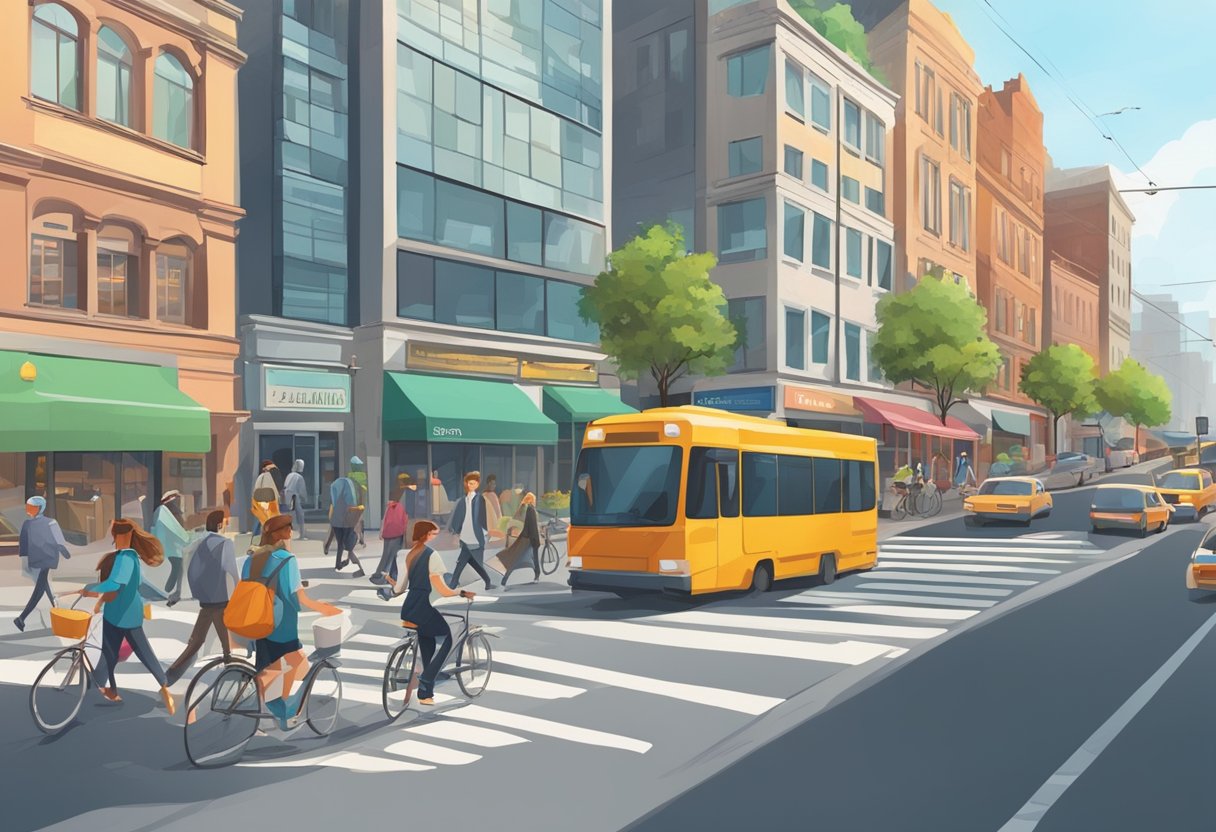
Busy street with people walking, cars driving, and bikes moving. Buildings line the sidewalk, with storefronts and signs. Crosswalks and traffic lights control movement

Understanding foot traffic helps retailers to optimise their store layout, staff rosters, and inventory management. It is a key factor in determining peak operating times, preparing for promotional events, and planning marketing strategies. By analysing patterns in footfall, retailers can make informed decisions to improve the customer experience and maximise sales. Moreover, this data plays a critical role in the site selection Process for new stores, as the potential for high foot traffic can sway the decision towards one location over another.

In an increasingly digital marketplace, some might question the relevance of foot traffic. However, it remains an essential component for businesses that maintain a physical presence. Retailers integrate their online and offline channels to create a seamless shopping experience for customers. This omnichannel approach means that even as consumers browse online, the allure of tactile engagement and instant gratification often brings them into stores. Consequently, brick-and-mortar businesses continue to innovate and find ways to attract foot traffic, ensuring their longevity and relevance in the modern retail landscape.

Analysing and Increasing Store Foot Traffic

A bustling city street with a variety of storefronts, colorful signage, and people walking in and out of shops. The scene is vibrant and energetic, with a mix of pedestrians and potential customers

In an era of sophisticated retail analytics, understanding and enhancing store foot traffic is critical for the success of brick-and-mortar stores. By deploying data-driven strategies, shops can gain valuable insights into shopper’s patterns and influence purchase behaviour.

Essentials of Foot Traffic Analysis

Analysing foot traffic involves collecting and interpreting data on the number of people entering and moving about a retail space. Retailers examine this data to discern patterns, such as peak shopping times or popular areas within a store. Analytics often utilise advanced technologies like sensors and cameras, paired with Wi-Fi networks, to gather information. The resulting data can create heat maps to visualise the flow of traffic, offering a clear depiction of shopper engagement with products and services.

By leveraging tools such as Placer.ai or Gravy Analytics, retailers tap into a wealth of information, enhancing their understanding of foot traffic trends. With foot traffic counters like Square, businesses quantify store visits with greater precision, enabling them to adapt and plan more effectively.

Strategies for Growth

The goal to increase foot traffic encompasses a variety of targeted strategies. A retailer may redesign their store layout to guide customers through a more engaging shopping experience. In-store events act as a substantial draw, encouraging visitors to spend more time and money in the store. Effective signage, strategic location selection, and timely discounts contribute significantly to attracting and retaining customers.

Marketing initiatives must be attuned to the latest trends, with a keen focus on creating a narrative that resonates with the target audience. The implementation of loyalty programs keeps customers returning, transforming occasional shoppers into regulars. It’s imperative for businesses to fine-tune these strategies based on analytics-derived insights to foster sustained increased foot traffic.

Technological Influence on Foot Traffic

In recent years, technology has played a pivotal role in shaping retail store visits. The advent of AI and its integration into retail operations permits a more personalised shopping experience. Mobile Devices and apps leverage location data to send timely offers to consumers when they are in proximity to a store.

Technology has not only improved the collection of foot traffic data but also the application of insights gained from it. Retailers now can adjust promotions and store environments in real time to respond to foot traffic dynamics. With continuous refinement, stores increase their efficiency in drawing customers and maximising sales potential, solidifying their position in a competitive retail market.

Impact of External Factors and Adaptation
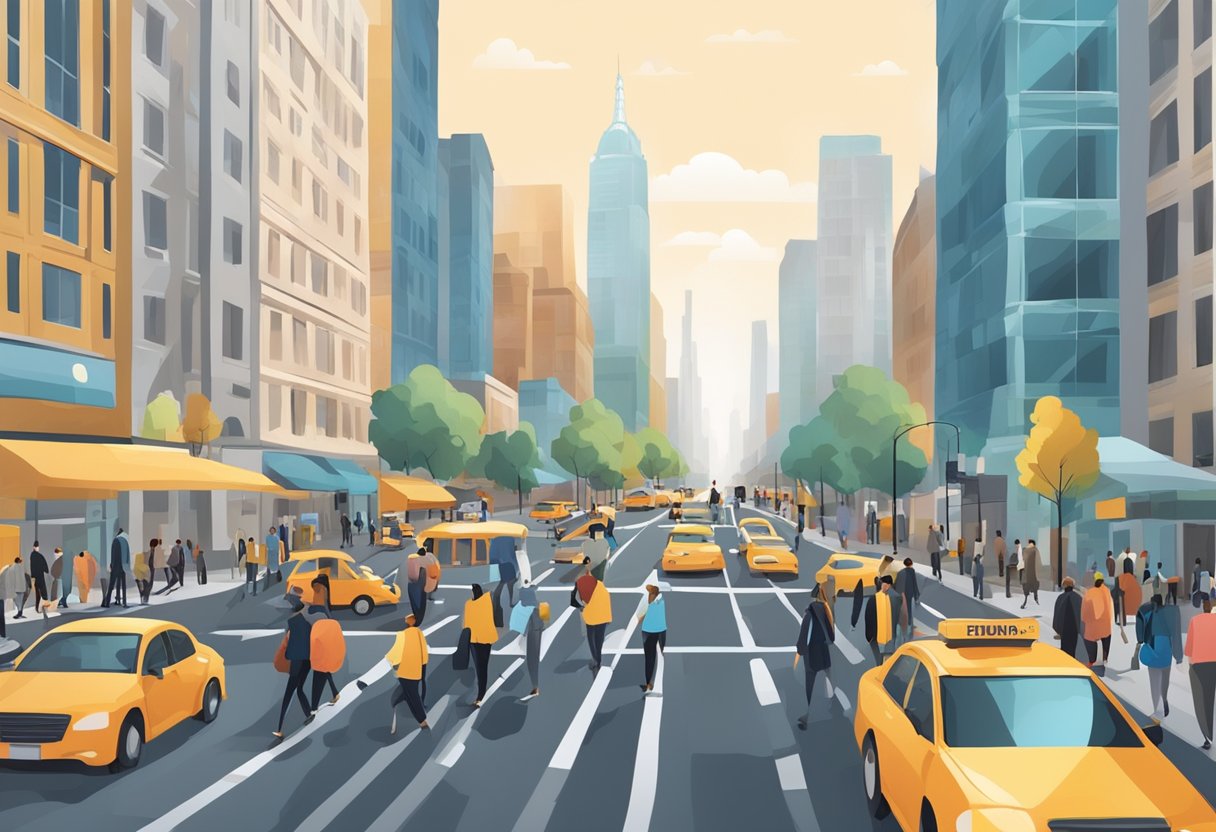
Busy city street with diverse architecture and heavy foot traffic. People adapt to external factors like weather and construction, navigating crowded sidewalks and bustling intersections

Retailers must consider a variety of external factors that influence foot traffic and adapt their strategies accordingly. Leveraging data and tracking changes can facilitate timely responses to external influences, optimising customer traffic and potentially increasing ROI.

foottraffic

Foot Traffic Measurement: Essential Strategies for Retail Success

June 15, 2024 0 Comments

Measuring foot traffic is crucial for understanding customer behaviour in brick-and-mortar stores. Foot traffic measurement provides valuable insights into how customers interact with a retail space. By analysing this data, store owners can improve layout and product placement.

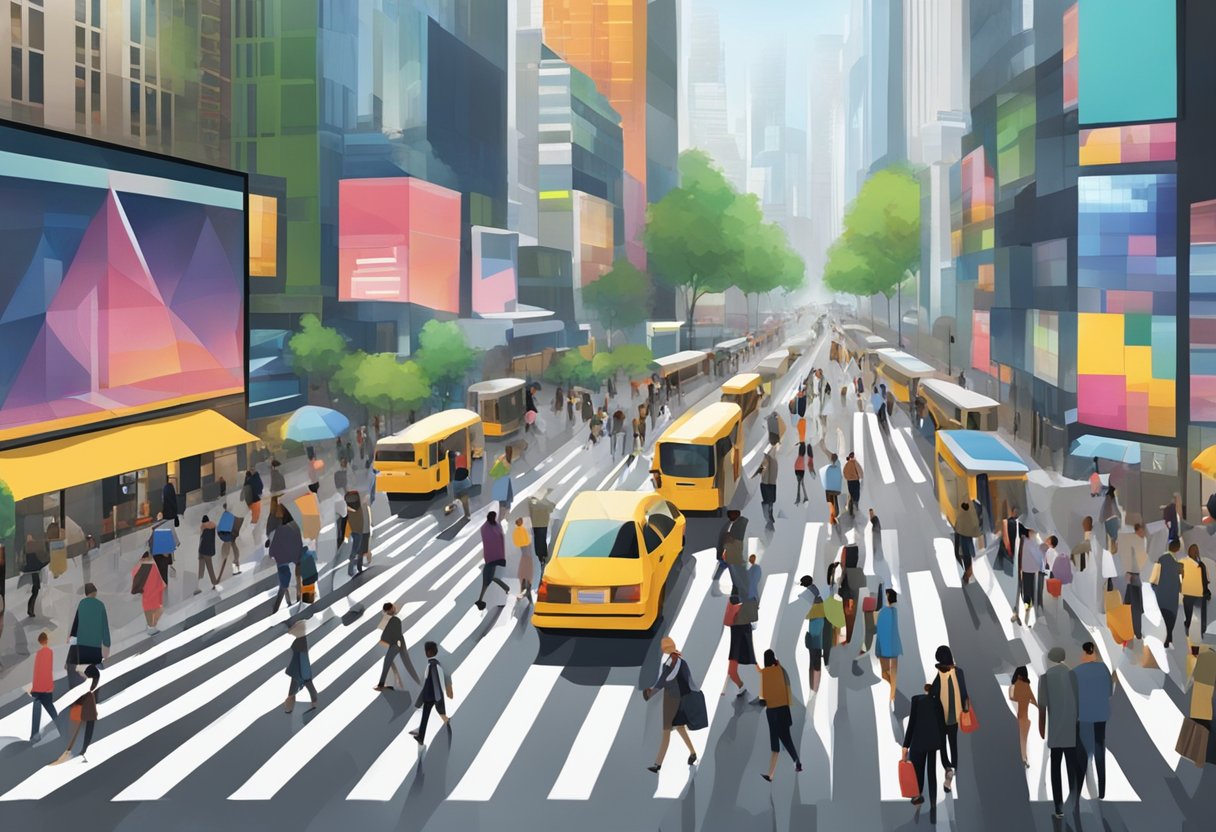
Busy city street with people walking in various directions, some carrying bags or umbrellas. A large digital display board shows real-time foot traffic measurement

Retail analytics play a key role in enhancing the customer experience. Knowing when and where customers are most active helps businesses optimise staffing and promotions. This leads to higher customer satisfaction and potentially increased sales.

Technology makes it easier to gather accurate foot traffic data. Utilising sensors and cameras, retailers can collect real-time analytics. This information is vital for making informed decisions that enhance both store performance and customer experience.

Techniques for Measuring Foot Traffic

Measuring foot traffic involves various methods that provide insights into people’s movement and behaviour. These techniques include using counters, cameras, Wi-Fi and mobile device tracking, and Bluetooth and beacon technology.

Counters and Cameras

Counters and cameras are common methods for tracking foot traffic. Counters use infrared or laser sensors to detect movement. They count the number of people entering or leaving a space. These are often used at entrances of shopping centres and public establishments.

Cameras offer more detailed information. With video analytics, cameras can identify patterns, peak times, and trends. They work well in high-traffic areas, providing real-time data. Machine learning and AI can improve accuracy by distinguishing between people, objects, and even recognising repeat visitors.

Privacy concerns arise with cameras. Data collection must adhere to regulations to protect individual privacy. Despite this, they are valuable for creating heat maps to visualise crowded areas and customer flow.

Wi-Fi and Mobile Device Tracking

Wi-Fi and mobile device tracking utilise the signals from smartphones to measure foot traffic. When a person’s device searches for a Wi-Fi network, its unique identifier is detected. This data helps in understanding movement patterns and dwell times without direct interaction.

Businesses can track repeat visits and frequency. This helps in creating more targeted marketing strategies and adjusting layouts. Location data collected this way is crucial for data-driven decisions.

Privacy is also a key consideration here. While data is often anonymised, companies must be transparent about their data collection practices to avoid customer mistrust.

Bluetooth and Beacon Technology

Bluetooth and beacon technology involve placing small devices called beacons in an area. These beacons send signals to nearby smartphones with Bluetooth enabled. They can pinpoint a device’s location more accurately than Wi-Fi.

This method allows for precise location tracking and custom notifications. For example, shoppers can receive special offers when they are near a particular store section. The technology is helpful in large venues like airports and shopping malls to guide foot traffic and offer enhanced visitor experiences.

Accuracy improves with machine learning algorithms, which help in refining location data. Businesses benefit from detailed analytics on visitor behaviour and movement patterns, creating opportunities for better service and layout optimisation.

Analysis and Application of Foot Traffic Data

Foot traffic data provides valuable insights that help businesses better understand customer behaviour and improve their strategies. These insights can lead to increased sales, Effective marketing campaigns, and enhanced customer engagement.

Interpreting Traffic Patterns and Trends

Analysing traffic patterns helps businesses pinpoint peak times and identify trends. By understanding when customers are most likely to visit, stores can adjust staffing levels and operational activities accordingly. For example, a retail store may observe higher foot traffic during weekends and plan staff schedules to enhance customer service during these times.

Trends also reveal seasonal changes in foot traffic. For instance, an uptick in customers during the holiday season can prompt stores to increase inventory levels. By interpreting these trends, businesses can better prepare for high-demand periods and ensure stock availability.

Demographic and Psychographic Insights

Foot traffic data can provide demographic insights such as age, gender, and location of customers. This information helps tailor marketing campaigns and promotions to target specific groups. For instance, a store might notice a younger demographic visits more frequently and adjust its product offerings to meet their preferences.

Psychographic insights, which include interests, lifestyles, and values, allow businesses to create more personalised experiences. If foot traffic data shows a high number of health-conscious consumers, a retailer could highlight organic and eco-friendly products more prominently. These insights help in creating effective strategies that resonate with the customer base.